McClane Dentistry
Business Courses / Posted 5 months ago
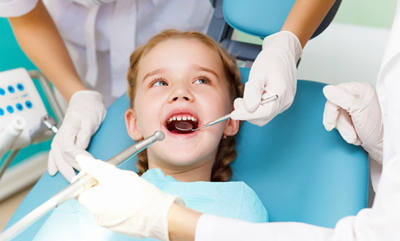
Pediatric Dental Care: Building Healthy Smiles from the Start
Pediatric dental care focuses on the oral health of infants, children, and teenagers, ensuring that their teeth, gums, and overall dental development stay on track from an early age. Establishing good dental habits during childhood is essential because it lays the foundation for a lifetime of healthy smiles. Pediatric dentists are specially trained to understand the unique dental needs of growing children and to provide care in a gentle, child-friendly environment.
From the moment a child’s first tooth appears, proper dental care becomes crucial. Early visits to a pediatric dentist help identify potential issues before they become serious problems. Experts recommend that children have their first dental visit by their first birthday or when their first tooth erupts, whichever comes first.
What Does Pediatric Dental Care Include?
Pediatric dental care is comprehensive and covers a wide range of preventive, diagnostic, and restorative treatments designed specifically for children.
1. Preventive Dental Care
Prevention is the cornerstone of pediatric dentistry. Regular dental checkups, cleanings, and fluoride treatments help protect children’s teeth from decay. Fluoride strengthens enamel and reduces the risk of cavities, while professional cleanings remove plaque and tartar buildup that brushing alone cannot eliminate.
Dental sealants are another preventive measure often used for children. These thin protective coatings are applied to the chewing surfaces of molars to prevent bacteria from causing decay.
2. Routine Exams and Monitoring
Regular dental exams allow pediatric dentists to monitor the growth and development of a child’s teeth and jaw. These visits help detect early signs of cavities, misalignment, or other oral health issues. Early diagnosis ensures that treatment can be provided quickly and effectively, minimizing discomfort and long-term complications.
3. Restorative Treatments
If a child develops cavities or dental damage, pediatric dentists offer restorative solutions such as fillings, crowns, or even pulp treatments when necessary. Tooth-colored fillings are commonly used to repair cavities, while crowns may be recommended for more extensive decay to restore function and strength.
4. Orthodontic Evaluation
Monitoring tooth alignment is an important part of pediatric dental care. Early orthodontic assessments help identify issues such as overcrowding, bite problems, or misaligned teeth. Addressing these concerns early can reduce the need for more complex treatments later in life.
5. Habit Counseling
Children often develop habits such as thumb sucking, tongue thrusting, or prolonged pacifier use, which can affect dental development. Pediatric dentists provide guidance and solutions to help children overcome these habits and maintain proper oral health.
6. Emergency Dental Care
Accidents can happen at any time, especially with active children. Pediatric dentists are equipped to handle dental emergencies such as chipped, broken, or knocked-out teeth, ensuring prompt and effective treatment.
Importance of Early Dental Care
Many parents assume that baby teeth are not as important because they eventually fall out. However, primary teeth play a vital role in a child’s development. They help children chew properly, speak clearly, and maintain space for permanent teeth. Neglecting early dental care can lead to pain, infections, and long-term oral health issues.
Early dental visits also help children become comfortable with the dental environment. A positive experience at a young age reduces fear and anxiety, making future visits easier and more stress-free. https://mcclanedentistry.com
Thanks!
Our editors are notified.